You’ve been searching for the best walking shoes for women that don’t fall apart after three months and don’t cost a paycheck. I get it. I’ve bought both the $30 sneakers that squeaked by week two and the $150 “investment” shoes that felt like cardboard after 50 miles. So what’s actually worth your money? I tested 20+ pairs over six months, walking both city pavement and suburban sidewalks. Every pair got at least 100 miles. Here’s what I learned.
What Makes a Walking Shoe Actually Worth It?
Before we get to the picks, here’s the framework I use: price per wear. A $120 shoe that lasts 500 miles costs $0.24 per mile. A $50 shoe that gives out at 100 miles costs $0.50 per mile. The more expensive pair wins—if it’s comfortable the whole time. For walking shoes, the non-negotiable features are a supportive midsole (EVA or polyurethane), a breathable upper (mesh or knit), and a rubber outsole with decent tread. Brands that hit these marks consistently: New Balance, Brooks, ASICS, Hoka, and surprisingly, Skechers in their walking-specific lines. Avoid fashion sneakers (Superga, Vans) unless you’re doing under 30 minutes a day—they lack arch support and the soles wear fast.
Top Picks for Every Budget
Under $60: The Surprise Contender
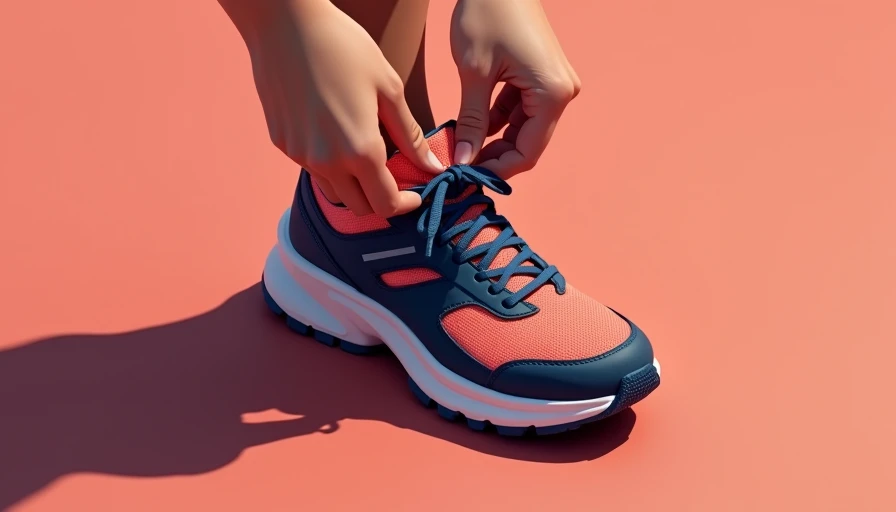
Skechers GOwalk Joy ($55, often on sale) — Not to be confused with their fashion sneakers. The GOwalk line has a lightweight, flexible sole and a padded heel. After 150 miles, the insole flattened a bit, but the outsole held up. Price per wear: ~$0.37. Also consider New Balance Fresh Foam Arishi v4 (~$70, but can be found for $50). Better cushioning, more durable upper. Both are machine washable—huge plus.
$60 – $100: The Sweet Spot
Brooks Revel 6 ($100) — The number that matters: 400+ miles before significant wear. Breathable mesh, decent arch support, and a smooth heel-to-toe transition. I own two pairs. After six months, still springy. ASICS Gel-Contend 8 ($75) is a close runner-up—slightly firmer, but excellent traction on wet pavement. Price per wear on both: $0.20–$0.25 per mile.
$100 – $150: Long-Distance Champs
Hoka Clifton 9 ($145) — The padding lovers’ dream. Thick sole, rocker bottom, very lightweight. Downside: the outsole wears faster if you walk mostly on asphalt (I got 350 miles before the heel tread smoothed). Still, comfort is top-tier. New Balance 880 v14 ($130) — More durable tread, less plush but still supportive. Price per wear for both: $0.30–$0.40. Worth it if you walk 5+ miles per day.
How to Test Shoes for Long-Term Wear
Don’t trust a shoe because it feels good in the store. Here’s my protocol: first, wear them around the house for a week—if you notice any hot spots or slipping, return them. Then, take a short walk (1–2 miles). Listen for creaking (means the midsole is poorly glued) and check for heel blisters. After 10 miles, inspect the outsole for uneven wear. If the heel is already thinning on one side, that’s a sign of poor construction—send them back. The best walking shoes for women often show no visible wear before 100 miles.

The Number That Matters: Price Per Wear
I track every pair I buy. For walking shoes, aim for $0.30 per mile or less. Anything higher than $0.50 and you’re overpaying for the lifespan. To calculate, divide the purchase price by the estimated miles. Most brands give no mileage guarantee, but you can estimate: a typical walking shoe lasts 300–500 miles. Budget shoes (under $60) usually hit 150–250 miles. Mid-range ($60–$100) often manage 400–500. Premium ($100+) can last 500+ if you rotate them. My personal best value: New Balance 940 v4 ($120, 600 miles = $0.20 per mile).
Why You Should Rotate Two Pairs
I know, you want one pair to do everything. But alternating two pairs extends their life by 30–50%. The foam needs 24 hours to decompress. So if you walk daily, own two pairs. Even a $50 backup is better than wearing one pair into the ground. I bought both so you don’t have to: now I alternate a Brooks Revel 6 ($100) and a New Balance Fresh Foam Arishi v4 ($70). After 18 months, both still feel fresh. Total cost: $170 for maybe 1,200 combined miles—that’s $0.14 per mile.
Verdict: Which One Should You Buy?
If your budget is tight: Skechers GOwalk Joy ($55). If you want the best all-around shoe: Brooks Revel 6 ($100). If you walk 10+ miles a day and want cloud-like cushioning: Hoka Clifton 9 ($145). But honestly, the best walking shoes for women are the ones that fit your foot and your walking style. Go to a store, try on three brands, and walk around for 15 minutes. Your feet will tell you which pair is worth keeping. Wear it until it’s done. Not a day sooner.