You’re planning a weekend hike in the Pacific Northwest, and the forecast calls for rain. The first thing you’ll reach for is a pair of hiking boots waterproof. But with so many options – from budget-friendly to premium – how do you know which one is worth your money? In this guide, we break down what to look for, which brands deliver, and how to make your boots last longer. We'll cover the key materials, compare top models, and help you calculate value per wear so you can make a smart, sustainable choice.
Whether you're a day hiker or a thru-hiker, the right boots make all the difference. Many people overlook the importance of a good fit and proper break-in period. We'll guide you through the features that matter most, so you can hit the trails with confidence.
What Makes Hiking Boots Waterproof?
The secret to keeping your feet dry lies in the membrane. Most hiking boots waterproof use a breathable waterproof layer like Gore-Tex. This membrane blocks water from entering while letting sweat vapor escape. Higher-end boots often feature a full-grain leather upper with a Gore-Tex lining, offering durability and protection. Synthetic boots use nylon or polyester with a membrane; they’re lighter but less durable. Look for sealed seams, a gusseted tongue, and a higher ankle collar to prevent debris and water from sneaking in. The outsole also matters—deep lugs provide traction on wet terrain. The number that matters: the waterproof rating (often given in millimeters). Boots rated 10,000mm or more are suitable for heavy rain. However, no boot is truly waterproof forever; the membrane can degrade over time. Some brands use eVent or proprietary membranes, but Gore-Tex remains the gold standard. When shopping, always check the waterproofing warranty—many good boots come with a two-year guarantee against defects.
Top Brands for Hiking Boots Waterproof
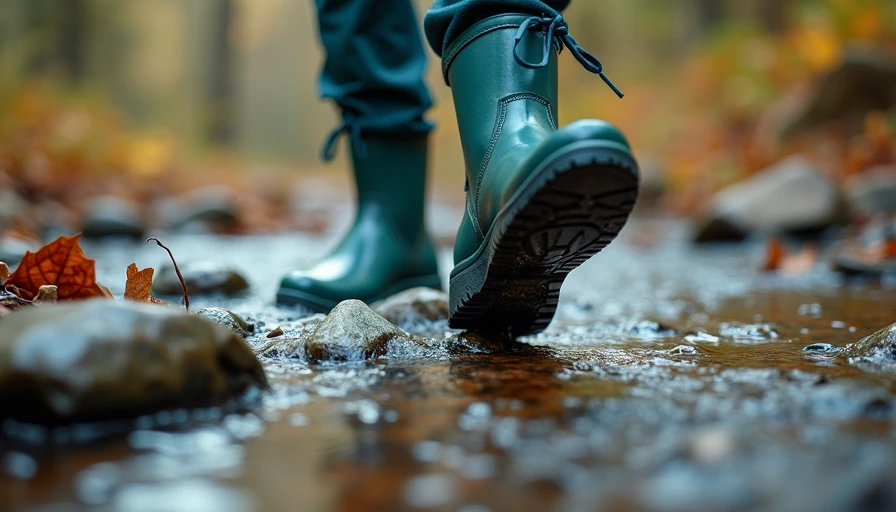
When you invest in hiking boots waterproof, brand reputation matters. Merrell’s Moab 2 Waterproof is a cult favorite for good reason: it’s comfortable, durable, and priced around $140. It fits most foot shapes and has a solid Vibram outsole. Salomon’s X Ultra 4 GTX offers excellent grip and stability for technical trails, typically $170–$200. It’s lighter and more agile, perfect for fast hiking. Keen’s Targhee III Waterproof is known for its roomy toe box and out-of-box comfort, around $150. It’s great for wider feet. For a sustainable choice, consider Patagonia’s discontinued Drifter A/B (still available in some sizes) or Scarpa’s Zodiac Plus GTX (around $250) for mountaineering-level support. Don’t ignore budget brands: Columbia’s Newton Ridge Plus at $90 is a solid entry-level pair, though it may not last as long. The key is to match the boot to your terrain and foot shape. Try them on with the socks you’ll wear on the trail. A properly fitted hiking boots waterproof should have a thumb’s width of space in the toe to prevent blisters on descents.
Price Per Wear: How to Evaluate Hiking Boots Waterproof
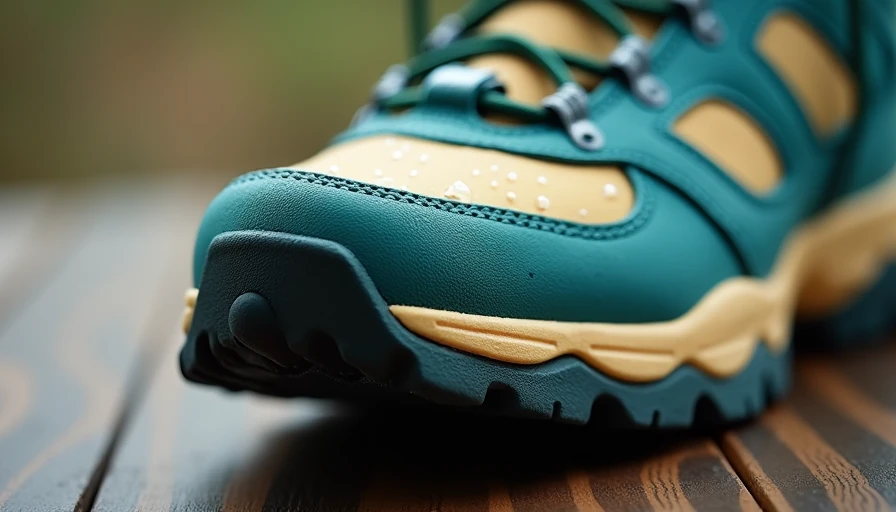
The number that matters is price per wear. A $200 pair of hiking boots waterproof that lasts 500 miles costs $0.40 per mile. A $90 pair that lasts only 150 miles costs $0.60 per mile—and you’ll replace it three times as often, creating more waste. Always calculate value over longevity. Synthetic boots may break down faster than leather. A good rule: plan to spend $0.30–$0.50 per mile for average durability. That means a $150 boot should last at least 300 miles. Don’t forget maintenance; re-waterproofing extends life. Investing in quality hiking boots waterproof pays off for your wallet and the planet. When you consider the environmental impact, choosing a durable boot reduces textile waste. Look for boots with replaceable insoles or outsoles; some brands like Vasque and Danner offer resoling services. Always read reviews about long-term wear—real users often reveal how a boot performs after 200 miles.
Care and Maintenance for Hiking Boots Waterproof
Even the best hiking boots waterproof need care. After each hike, remove dirt and mud with a soft brush. Let them air dry away from direct heat. For leather boots, condition the leather every few months to keep it supple. For synthetic, wipe clean. Reapply a waterproofing spray or wax every few months—or whenever water stops beading on the surface. Store them in a cool, dry place. Avoid leaving them in a hot car; heat damages membranes. With proper care, your hiking boots waterproof can last 500+ miles. Remember: the best boot is the one you take care of. If you notice the waterproofing failing, don’t panic—a fresh coat of Nikwax or Granger’s can restore performance. Rotate between two pairs if you hike frequently to allow the boots to fully dry.
Wear it until it's done. Not a day sooner. Ready to find your pair? Compare prices and reviews at your favorite outdoor retailer and hit the trail with dry feet.